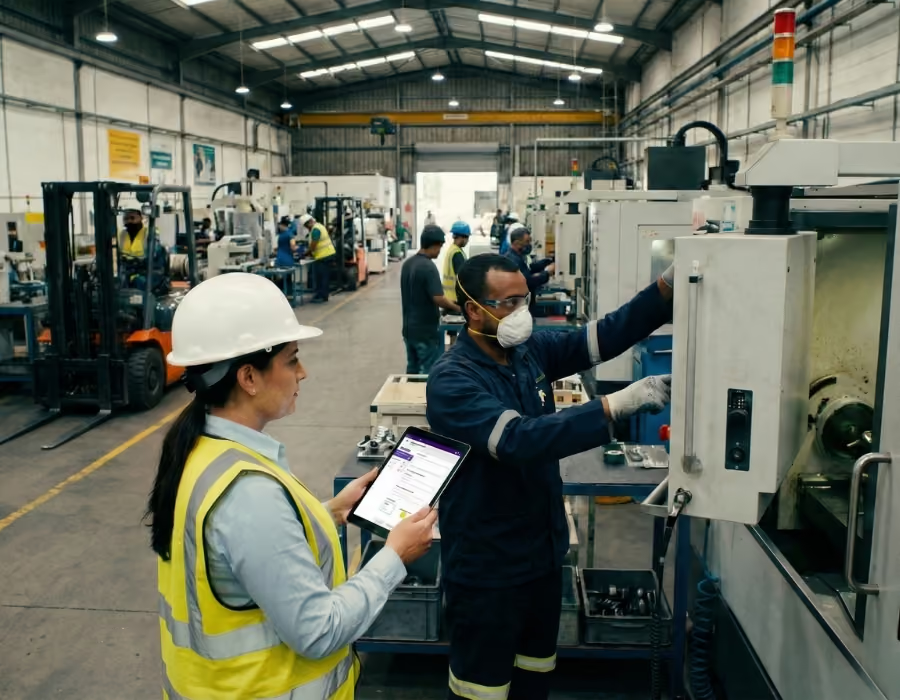
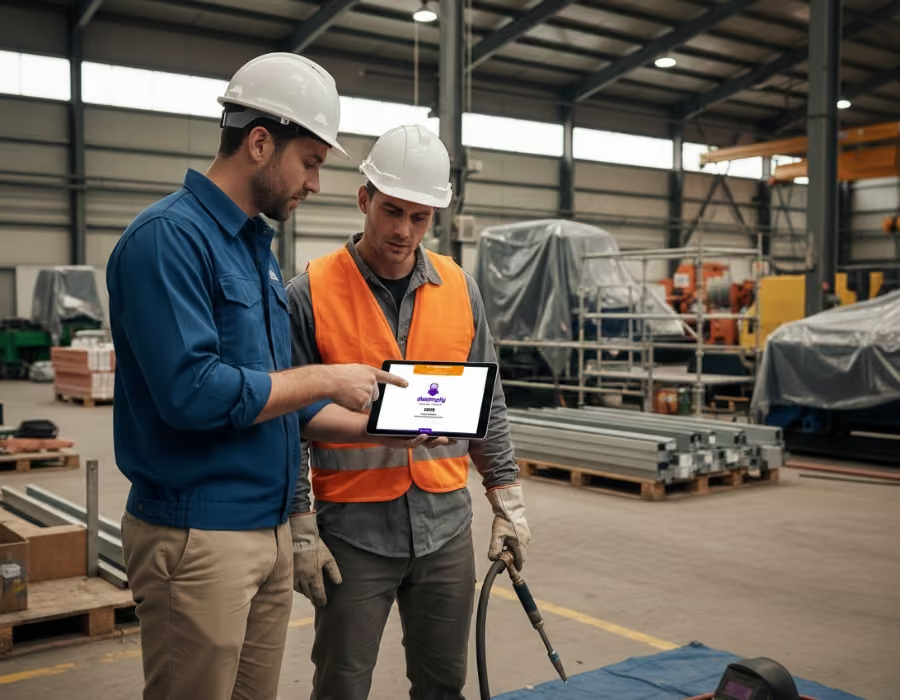
30% of workplace fires are caused by a single spark. A "two-minute" brazing job, a "quick" grind, or a "controlled" torch weld—these actions are not without risk. Hot work projects sparks and burning droplets capable of igniting any flammable material.
The reality of this situation is harsh: 70% of businesses that suffer a major fire disappear within the following months. A single spark can put an end to your business. This is where a hot work permit becomes a vital ally. It helps identify hazards and implement appropriate safety measures. However, it must not be filled out in a rush or create a false sense of security.
In this article, discover everything you need to know about hot work permits and how to optimize their management to turn them into a true shield against fire risks.
What is a hot work permit?
It is the essential document for overseeing high-risk work and formalizing its authorization.
Definition of a hot work permit
A hot work permit is a paper or digital document that authorizes and oversees the execution of hot work, i.e., work that generates flames, sparks, or significant heat (welding, oxy-fuel cutting, grinding, etc.). It ensures that all safety measures are followed to prevent any risk of fire or explosion.
Role of the hot work permit
Its primary role is:
- To identify and analyze the hazards present in the work area.
- To verify that all prevention and protection measures are in place: removal of combustible materials, presence of fire extinguishing equipment, and monitoring.
- To clarify responsibilities among the various parties involved: contractors, site managers, safety officers, etc.
- To ensure the traceability of actions taken before, during, and after the work.
Hot work permit regulations
As specified by French regulations, the hot work permit is a document governed by the nature of the facility. Specifically, the following texts apply:
- For Public Access Buildings (ERP), the order of June 25, 1980, and specifically article PS 28, set out the rules to be followed.
- For ICPE (Installations Classified for Environmental Protection), article 24 of the order of November 26, 2012, specifies the measures to be observed.
- For Establishments Receiving Workers (ERT), articles R. 233-423-2 and R4512-7 of the Labor Code detail the protective measures to be implemented for employees.
- For High-Rise Buildings (IGH), the order of December 30, 2011, along with article GH 3, outlines the best practices to follow.
Validity period and renewal
The validity period of a hot work permit is limited to one single day. A new permit must be issued each day during the period when hot work is being performed. For each day, it is recommended to verify that the conditions for execution remain compliant and to remind those involved of the prevention and safety instructions.
For High-Rise Buildings (IGH), the order of December 30, 2011, specifies that if an operation spans several days, the maximum validity period of the permit is five days.
Furthermore, if any element of the permit changes during its validity, such as the location or nature of the work, the document must be updated and re-signed by all stakeholders to incorporate these changes.
Who is responsible for the hot work permit?
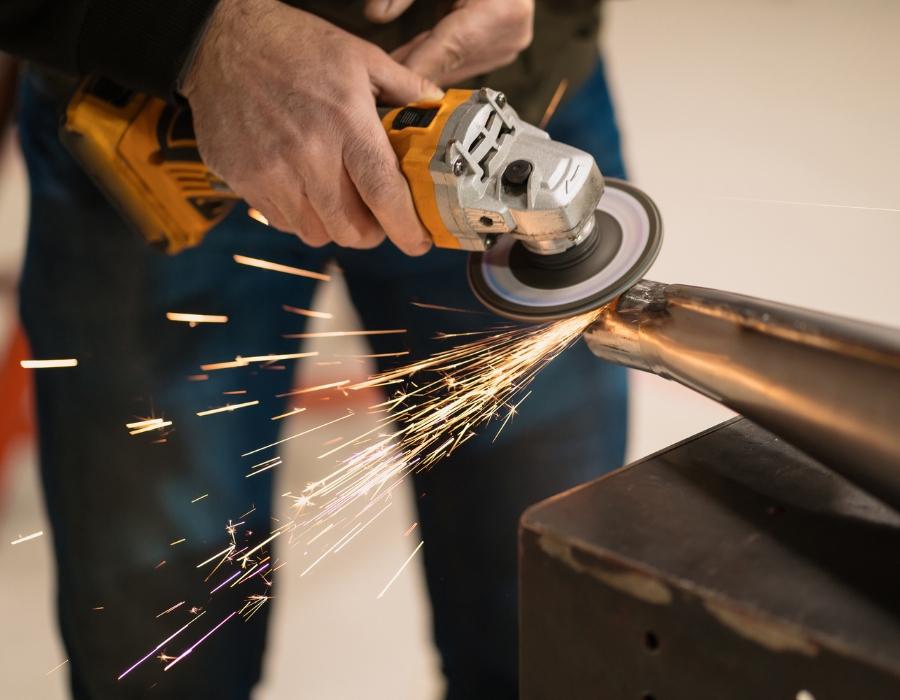
Before carrying out hot work, it is essential to know who drafts, validates, and signs the hot work permit. This ensures that all preventive measures are correctly implemented and followed by those involved.
Who must draft the hot work permit?
The hot work permit should not be drafted by just anyone. The company requesting the hot work is responsible for drafting it, specifically the site safety manager, if one is appointed.
Who validates and signs the hot work permit?
The validation and signature of the hot work permit must be carried out by the company performing the work involving hot work. If subcontractors are involved, their signature must also appear on the hot work permit.
This signature certifies that all parties involved—the company requesting the work, the company performing the work, and any subcontractors—have reviewed the preventive measures and are committed to complying with them.

What must a hot work permit contain?
A hot work permit gathers all the essential elements to identify the site, the work, the personnel involved, and the safety measures, in order to prevent any risk of fire.
Site identification and description
The permit specifies the exact location of the work, as well as the date and planned duration of the operation. It also details the type of hot work being performed (e.g., welding, cutting, grinding) and the materials involved.
List of personnel and risk assessment
It lists the names of the employees or contractors performing the work and that of the person in charge of the operation, i.e., the person authorized to issue the permit. It also includes an assessment of fire or explosion risks in the work area and verification of the potential presence of flammable materials.
Prevention and safety measures
The permit describes the measures implemented to secure the site: isolating flammable materials, installing spark shields, checking fire extinguishers and other fire-fighting equipment. It also includes setting up adequate ventilation to clear smoke and gases.
Final inspection and signatures
After the work is completed, the area is inspected to ensure that no fire risk remains. This step helps to confirm the site is safe. Closing the hot work permit must then be validated by the manager and signed by all stakeholders, attesting that safety measures were followed and the site is secure.
What are the risks of not having a hot work permit?
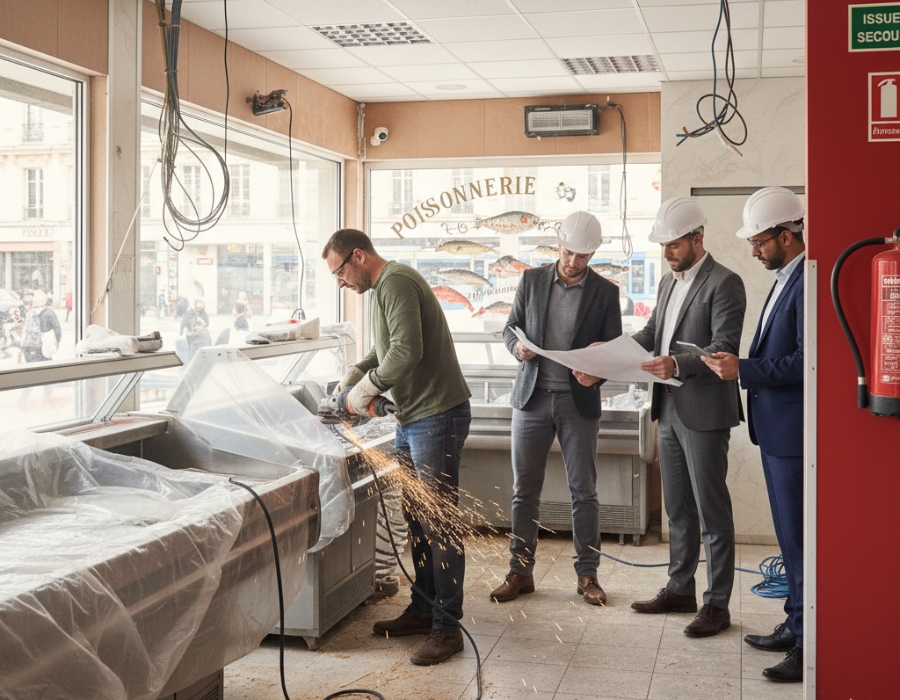
The absence of a hot work permit exposes the company to significant risks, both for physical assets and for the safety of individuals.
Material damage
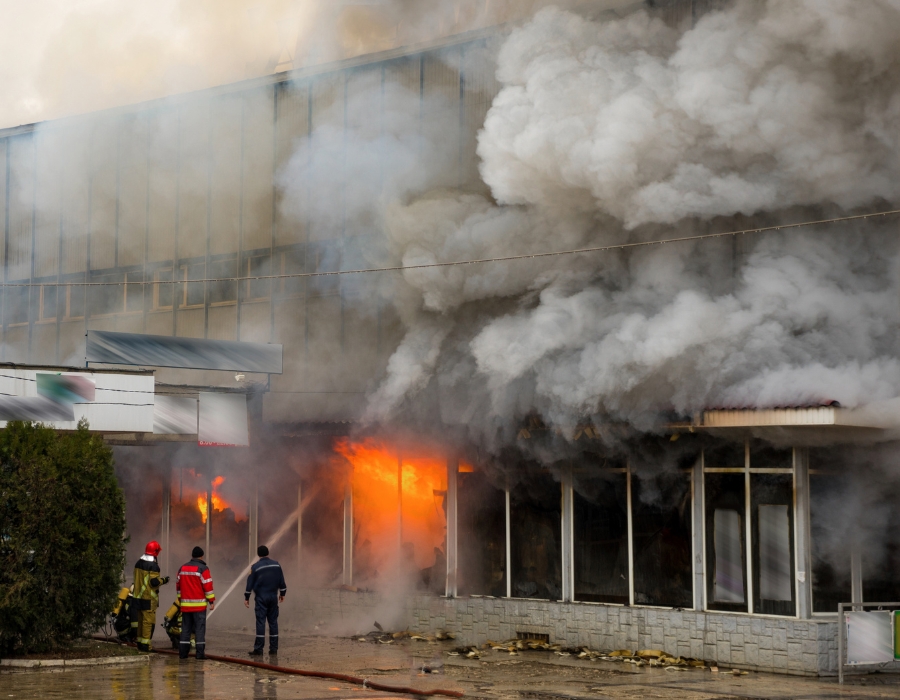
In terms of physical assets, a single spark can trigger a destructive fire, damaging machinery, equipment, and buildings, and leading to very high repair costs.
It is important to note that the hot work permit does not replace the fire safety register. Even though it governs hot work operations and defines prevention measures, the safety register remains essential for recording all inspections and interventions related to fire safety. To simplify this management, create your safety register for free with Deemply.
The scale of human impact
Failure to anticipate risks and implement prevention increases the level of danger to employees, as well as the risk of serious injury, or even death, for workers and those nearby.
Penalties for non-compliance with hot work permits
Failure to comply with safety obligations, particularly the absence of a hot work permit, can expose management to significant legal and financial consequences.
From a criminal law perspective, Article L. 4741-1 of the Labor Code stipulates that a manager who fails to meet their safety obligations may be fined, and this penalty can be applied for each affected employee. In the event of repeat offenses, the penalty may include one year of imprisonment and a heavier fine.
From a civil law perspective, the employer has a general duty of safety toward their employees, as stated by the INRS and Article L. 4121-1 of the Labor Code. If they fail to take the necessary measures and an employee is injured, the company may be held liable for damages, and their liability may be classified as inexcusable fault if the danger was known or foreseeable.
The risks of paper-based management
Managing hot work permits on paper carries numerous risks for the company.
Lost or poorly maintained documents
Paper permits can easily be lost, damaged, or illegible, making it difficult to prove that all safety measures were followed. This management method also leads to a lack of traceability and monitoring, making it complex to verify who authorized the permit and when.
Human error
Human errors are also common: misrecorded information and incomplete or illegible forms can compromise the compliance and safety of hot work operations. In addition, the physical circulation of documents for signature also slows down the authorization of interventions, especially when several departments or contractors must validate the permit.
The accuracy of information
The storage and archiving of paper permits also pose a problem. Finding an old hot work permit or reviewing the history of interventions becomes laborious, especially in companies where hot work is frequent. This lack of organization can lead to regulatory non-compliance, with the risk of forgetting certain permits or authorizing work without proper approval, thereby exposing the company to penalties in the event of an audit.
Lack of anticipation and analysis
Paper-based management limits the company's ability to prevent risks associated with simultaneous interventions and to analyze incidents in order to improve procedures.

Can hot work permits be digitized?
With the evolution of digital tools, companies can now manage hot work permits entirely in a digital format, which helps optimize management and increase efficiency.
The legality of digital hot work permits
Digitizing hot work permits is completely legal and offers numerous advantages for companies. Article 1366 of the Civil Code recognizes that electronic documents have the same legal value as paper documents, provided that the integrity of the content, the identification of the author, and the traceability of actions are guaranteed. This legal recognition therefore allows hot work permits to be managed entirely digitally while maintaining their official status.
The benefits of digital hot work permits
The main advantage of a digital hot work permit is the complete traceability of actions. It also offers immediate accessibility for all stakeholders, on-site or remotely, facilitating coordination between contractors and departments. Information is secure and centralized, histories can be consulted quickly, and regulatory audits are simplified.
Digitization also makes it easier to plan simultaneous interventions, reducing fire risks while generating time and efficiency savings by eliminating the physical circulation of documents.

Facilitating hot work permit management with Deemply
The digitization of hot work permits helps save time, secure procedures, and centralize tracking. With tools like Deemply, this management becomes simple, fast, and fully compliant.
Time savings and productivity
Thanks to an intuitive interface, creating hot work permits takes just a few clicks. The status of progress is instantly visible through visual indicators such as progress bars and color codes. Automated reminders prompt contractors to complete or sign their documents, ensuring that all permits remain up-to-date and compliant.
The mobile application
With the Deemply mobile app, hot work permits can be created, viewed, and signed directly on-site. Contractors can also record checks and safety clearances immediately after hot work is performed. Automated alerts and notifications ensure that every stakeholder stays informed.
Available templates
To simplify the management of recurring documents, Deemply offers customizable hot work permit templates, adapted to the specific needs of each site or activity. You can also create 100% bespoke documents, providing total flexibility while ensuring full regulatory compliance.
Enhanced collaboration and traceability
Contractors have a dedicated space to complete their part of the hot work permit, with no need for printing or travel, which facilitates collaboration and reduces the risk of errors. All documents are centralized and securely archived, and histories can be viewed in just a few clicks. This complete traceability is essential for ensuring compliance during audits and for analyzing interventions to continuously improve safety procedures.

Discover the digital hot work permit
Conclusion
The hot work permit is an essential tool for preventing fires and protecting employees during hot work. While paper-based management carries risks and constraints, digitization provides traceability, collaboration, and time savings. With a solution like Deemply, you secure your worksites, simplify permit tracking, and ensure regulatory compliance, all while optimizing your company's productivity.
Switch to paperless compliance
Safety register, DUERP, health booklet: the Deemply ecosystem centralizes your regulatory obligations and alerts you before deadlines.
.avif)

Good to know
Replace this text with the information you want to highlight.
Bon à savoir
Remplacez ce texte par l’information à mettre en avant.